
Two teenagers opened fire at a mosque in San Diego, resulting in the deaths of three people. Authorities are investigating the incident, which has raised community concerns about safety.
Spanish energy company Repsol has reached an agreement with Venezuela’s government and PDVSA to regain operational control of its oil assets and aims to sharply increase production over the next three years.
Repsol confirmed it is regaining operational control of its Venezuelan oil assets after reaching a deal with the country’s government and state oil company Petróleos de Venezuela (PDVSA). The agreement includes a mechanism to secure payments through oil shipments and could allow Repsol to significantly expand output, including plans to triple production within three years.
"This agreement underscores Repsol's commitment to Venezuela, where we have operated without interruption since 1993," said Repsol’s Executive Managing Director of Exploration and Production, Francisco Gea, after signing the contract. "We have the assets and the technical, operational, and human capacities on the ground to increase our production in the country."
The deal marks a significant turnaround for Repsol after years of operational constraints linked to U.S. sanctions on Venezuela’s energy sector. The new framework is expected to help Repsol avoid defaults experienced in the past and operate with greater financial security alongside PDVSA.
While the agreement does not include a specific commitment to settle the nearly $4.55 billion (€3.86 billion) Repsol claims it is owed by Caracas for previous gas and crude supplies, it does aim to guarantee payment for future production.
The agreement comes after the January capture of Nicolás Maduro and amid U.S. efforts to revive Venezuela’s oil industry to boost global crude supply, pressured by the conflict in the Middle East. Since then, the U.S. has eased some sanctions through licensing arrangements issued by the Treasury’s Office of Foreign Assets Control (OFAC), allowing selected international companies to resume or expand operations in Venezuela.
Earlier this week, the Spanish State Department announced the suspension of sanctions on Venezuela’s Central Bank, facilitating Repsol’s payments and collections in the country.
In February, the Trump administration authorized Repsol and four other companies—Shell, BP, Eni, and Chevron—to operate oil and gas projects in Venezuela. Four of these companies are European, reflecting Europe’s interest in regaining a presence in the country with the world’s largest crude reserves.
Repsol owns 40% of Petroquiriquire, a Venezuelan upstream oil and gas joint venture producing about 45,000 barrels per day. The company plans to increase production by 50% in the first year and triple it by the third year, "as long as the necessary conditions remain in place and using the proceeds generated in the country," according to Repsol’s statement.
The current political scenario under interim president Delcy Rodríguez has been accompanied by legal reforms that reduce state control and ease the tax burden to attract foreign investment and revive Venezuela’s strategic but deeply deteriorated oil sector.
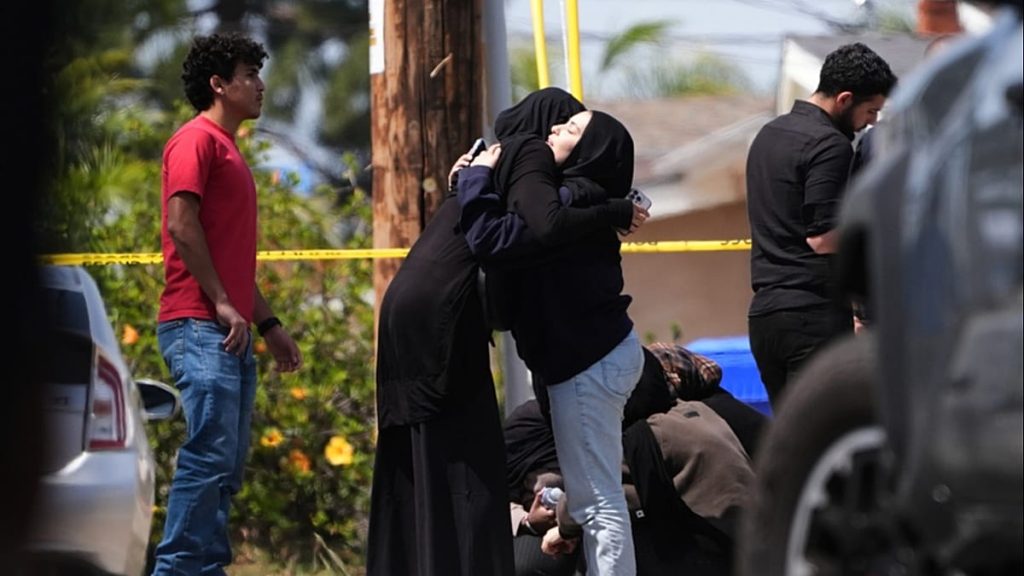 Three people killed as two teenagers open fire at a San Diego mosque
Two teenagers opened fire at a mosque in San Diego, resulting in the deaths of three people. Authorities are investigating the incident, which has raised community concerns about safety.
 Cities struggle to keep pace as war and climate define urban futures, WUF13 delegates warn
Delegates at WUF13 emphasize the challenges cities face due to war and climate change. They call for urgent action to address these critical urban issues.
 North Korea tells military to bolster defences against 'arch enemy'
North Korea has instructed its military to strengthen defensive measures in response to perceived threats from the United States. This directive highlights ongoing tensions between the two nations.
 Iran has responded to latest US peace proposal, Tehran official says
Iran has provided a response to the latest peace proposal put forth by the United States. Officials have outlined their stance and the implications for future negotiations.
